
We need to talk about “normal.”
Normal is defined as “conforming to a standard; usual, typical, or expected.”
Being well—physically, emotionally, cognitively, socially, etc.—largely depends on our way of living. If we want good health, we must have the necessary ingredients.
But we must begin with a vital distinction. On the one hand, we see ourselves, and each other, as people. But more comprehensively, we are organisms (and we could certainly go further and note that each of us is something like a cell in the much larger living entity of life-on-Earth). When an organ or system is working well, we rarely notice it exists. Your pancreas, let’s say, or your fascia. Even the fact that you’re awake, or the reality that you’re alive. That’s pretty amazing, if you think about it. At any given moment, how much of what you are are you actually conscious of? But that’s a whole topic in itself—for another day.
Personhood is just one aspect of what we are. It contains our names, our personal history, our opinions (lots of these). It happens to be the aspect that holds almost all of our attention. When something goes seriously wrong in the physical sphere, suddenly our attention goes there. Where the pain is, where some organ has finally been pushed past its limits and no longer functions in the way we’re used to. When we suffer an accident. When function begins to slip, we wake up to the presence of another part of our selves. When something of truly deep significance to us happens, something existential, that wakes us to other parts—when someone we love dies, when our children are born. Things like that.
Looking more closely at the physical aspect of us, we know and take for granted that a healthy organism will continually cleanse, heal, regenerate, recycle. Even an unhealthy organism is still doing those things, or it would die right away. So, what does the organism require in order to work efficiently, to be resilient enough for life’s challenges? It requires the raw materials essential for its structure and functions. Honestly, that’s it. The impetus, the self-organizing principle, the vital force, the intelligence, the divine spark, or whatever you like to call it, is given continually. If you are alive, it is being given. That, too, we take for granted and rarely even notice. When it ceases to be given, the lifetime is over.
We have to acknowledge the reality of the larger organisms of humanity, of life-on-Earth. We are not born a “clean slate,” as the old idea would have it (only a person could invent such a preposterous concept!). Our constitutional strengths and weaknesses are partly due to the accidents, life conditions, diets, infections, medications of our parents, grandparents, great-grandparents, and so on. However, we can still change our constitution, in other words change the expression of our genes, to a surprising degree (see my earlier two-part post about your mitochondria and epigenetics). And our choices will likewise impact the next generations, not only through the genes we give them, but through the ways of living we teach them, and the ways we influence the world around us.
Now, what about normalcy? Well, we have a problem when it comes to normalcy. We suffer from normalcy double standard. What is normal for a human organism and what is normal on the level of personhood, here and now, are not the same at all. What’s normal for people is what’s culturally normal, what was normal in our family, what we’re immersed in, surrounded by, in daily life. The “usual, typical, or expected.”
Example One:
Human organisms developed with constant or near-constant skin-to-Earth (or skin-to-water) contact. In fact this has always the situation, everywhere, for every living being, except us right now. Why does it matter? Because, although in school you were probably told that we have a circulatory system which is comprised of the heart and blood vessels, the truth is we have many circulatory systems which create and maintain us. Our skin seems like a boundary between us and the-rest-of-the-world, but that is actually a false, artificial boundary. Life flows in, out, through us at every level. The constant flow of electrons from the Earth’s surface (which is negatively charged) is an essential condition. Without it, our organelles, cells, tissues, organs cannot maintain their electrical equilibrium. That may sound strange, but it’s not. We have a name for it in everyday life: inflammation. The lack of balancing negative charge literally tears our cells apart.
But what’s normal for people in our culture today? Constant or near-constant insulation from Earth and water: rubber-soled shoes (and tires), plastic floors, and so on. Rubber is so good at preventing the flow of electrical charge, we use it to coat the handles of electricians’ tools. Therefore this particular circulatory system is crippled and stagnant—to some degree, in almost everyone in our culture. Chronic inflammation is now normal. Don’t believe the figures you find on a google search, either. It will say 35% of adults have measurable inflammation, or some such nonsense. Inflammation is normalized; what they call “measureable” through examining your blood proteins is just one conspicuous downstream result. The true normal, what the organism expects and needs, no longer exists in the general population. There is no true normal against which to measure. There are uncountable consequences of constant generalized inflammation.
So: normal for human organisms = continual healing and balancing simply by living on the Earth. Normal for people = continual destructive inflammatory processes which manifest in innumerable ways. Without quitting our jobs and abandoning our homes, we can restore the connection—maybe not 24 hours a day, but much of it, certainly all night, using simple grounding techniques.
Example Two:
From the perspective of the organism, what are normal things to eat? The things that were around us all through our time of evolution: fish, birds and their eggs, animals, insects, plant parts, sometimes including the fruits or seeds. So, yes, like all other living things, what is natural for us to consume is other living things. And in our turn we are consumed by them when we turn back into soil. Whether we find that ideologically offensive or ideologically sublime, it is the organism’s truth.
What is a normal diet these days? Honestly most things most people eat most days never existed until very, very recently in our long history—just the blink of an eye. We are not at all adapted to most of the things which are now considered normal. And almost all of it is extremely nutrient-poor compared to that we used to eat, because it’s produced through industrial farming in near-dead (or truly dead) dirt, rather than in the soil that infused food with nutrients.
In place of the nutrients which are mostly gone, we’ve added in some inventions of our own: poisons of all sorts. Pesticides, synthetic fertilizers (yes, these are toxic), fungicides, herbicides, etc. Until now, there was no such thing as plants that were not organically grown. There was no such thing as meat that wasn’t free-range pastured. Meat laced with pharmaceuticals wasn’t a thing. There were no birds which lived on processed soy byproducts and synthetic vitamin supplements. Water could contain microbes, but not the hundreds of industrial chemicals (including medications which have already passed through other people’s and animals’ bodies), plastics, and so on. And by all the world’s gods and goddesses, there was no Pepsi.
In the example of diet there is an in-between stage which causes a lot of confusion. I will call it traditional foods. For example, grains such as wheat and rice, beans, cultured dairy foods. These are seen as heritage foods and rightly so in some ways; they have had an important place in our cultures. When grown and prepared right, they can be wonderful. But our cultures are a new normal, not a physiological, organism-well-being normal. Many of the great traditional ingredients of European cuisines, for example, didn’t exist in Europe until the conquest of the Americas. Italy didn’t have tomatoes, Ireland didn’t have potatoes. And tomatoes and potatoes, and almost all plants we consume, have now been altered drastically: their modern, domesticated forms are extremely different from what the human organism, our metabolism, our chemistry, developed to use. Take a look at the photos below. (This is one of the reasons the current fascination with a “plant-based diet” is missing the mark.)
It’s quite possible to read a restaurant menu and not find a single ingredient which makes sense to your physiology. The human diet has been almost entirely replaced. The consequences are playing out in every part, every dimension of our existence, from obvious things like cellular functions and immunity to the less-recognized: consequences related to our cognition, our emotions, our relationships, our spiritual potential. Foods do not just bring various “building-block” molecules on board; they inform the organism. They are both raw materials and instructions for how to make use of those materials. The language of natural foods is intelligible and useful to the human organism. Highly processed or industrially manufactured “foods” are gibberish, introducing confusion and conflict.
Notice that some of the foods that are known to be best for us, even called medicinal foods or superfoods, are those that have been tampered with less: wild forms of berries, fresh herbs, spices. Those that have escaped the craze to make everything big and sweet. Think of the scent of shiitake mushrooms cooking, high-quality green tea leaf, fresh organic heirloom garlic… you can just tell they are full of power. You can taste it. They communicate clearly to the organism, and it responds instantaneously.
So: normal for human organisms = living as a fully integrated member of Earth’s food web. Normal for people today = disconnection from the rest of the Earthly community. The breach has grown so wide that the majority of people apparently don’t think twice or care about whole societies based on food production systems which are a torment to the Earth and our fellow organisms. Normal for people also = constant unwellness: fatigue, pain, allergies, sleep disorders, cognitive and emotional difficulties, reproductive and menstrual problems, autoimmune disorders, diabetes, heart disease, obesity, cancer, more and more and more and more, and earlier and earlier in life. But this is our new normal and many of us will fight to protect it. Oh yeah—and addiction. Even when we do recognize the madness of the status quo, it’s truly not easy to just suddenly and permanently change our ways.
Where do we go from here?
These are just two of many ways that organism-well-being normal and cultural normal have diverged. What we’ve enacted isn’t just a somewhat misguided drifting from what we need, it’s diametrically opposed, contrary. Once you start to really see it, it’s quite a shock to realize just how unnaturally we’re living. And we are paying dearly for it—and every generation paying more dearly than the one before.
And then one sees the absurdity of thinking that taking a prescription, of whatever kind, can make us well. Herbs can sometimes make us feel better; dietary changes can help of course, homeopathy (when practiced sanely and intelligently) is brilliant; the right therapy can make us more at ease, perhaps more lucid regarding our personhood.
Nature achieves things through synergy, not magic bullets, and we need to relearn that way of living. So, what do we need to do? Everything? The best answer I have so far is: we need to start by opening to a new understanding of what we are (as opposed to who we are). From this comes new understanding of what health and sickness are. Then, what medicine and healing are. All of this leads us to the great frontier: ourselves. In so many ways, what we need is to start releasing the madness, little by little. Ever-so-gently backing away from our obsession with personhood. Nature hasn’t gone anywhere; we’re always welcome to rejoin Her. Each of us has a potential healthiest self. How far we can go we can’t know until we try. The one guarantee is that the life we have will be a more meaningful one.
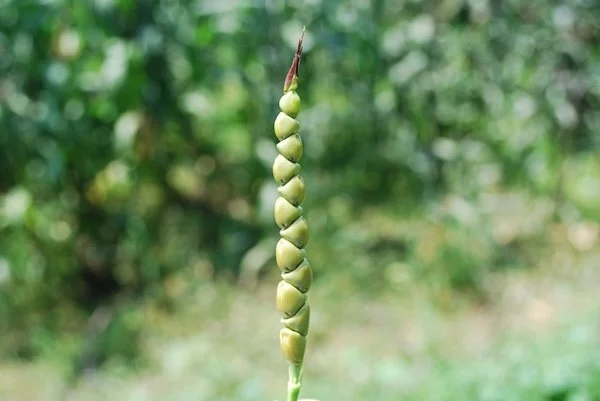
Corn’s wild ancestor, teosinte.
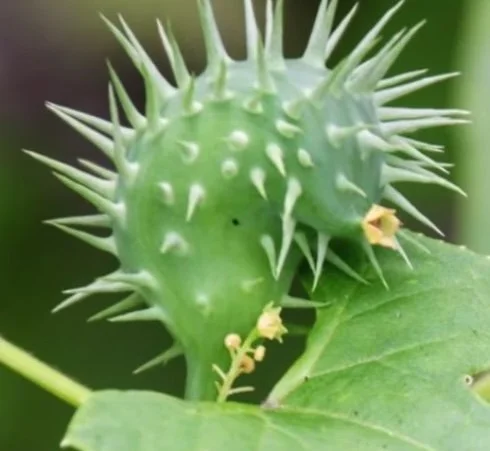
Wild form cucumber.
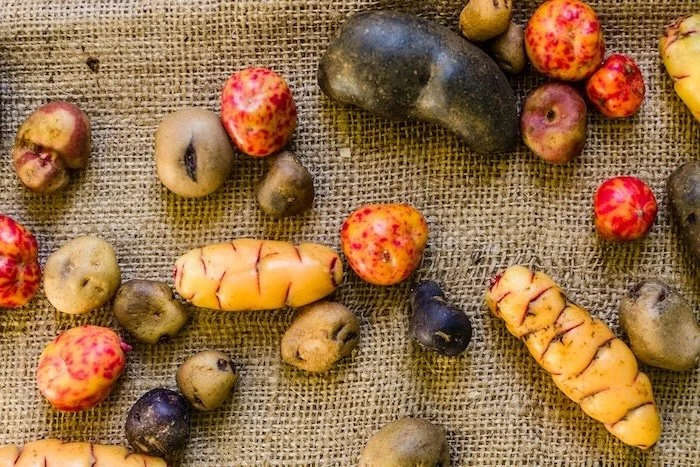
Ancient types of potato—I found them still for sale on market days in the indigenous mountain towns of Ecuador.
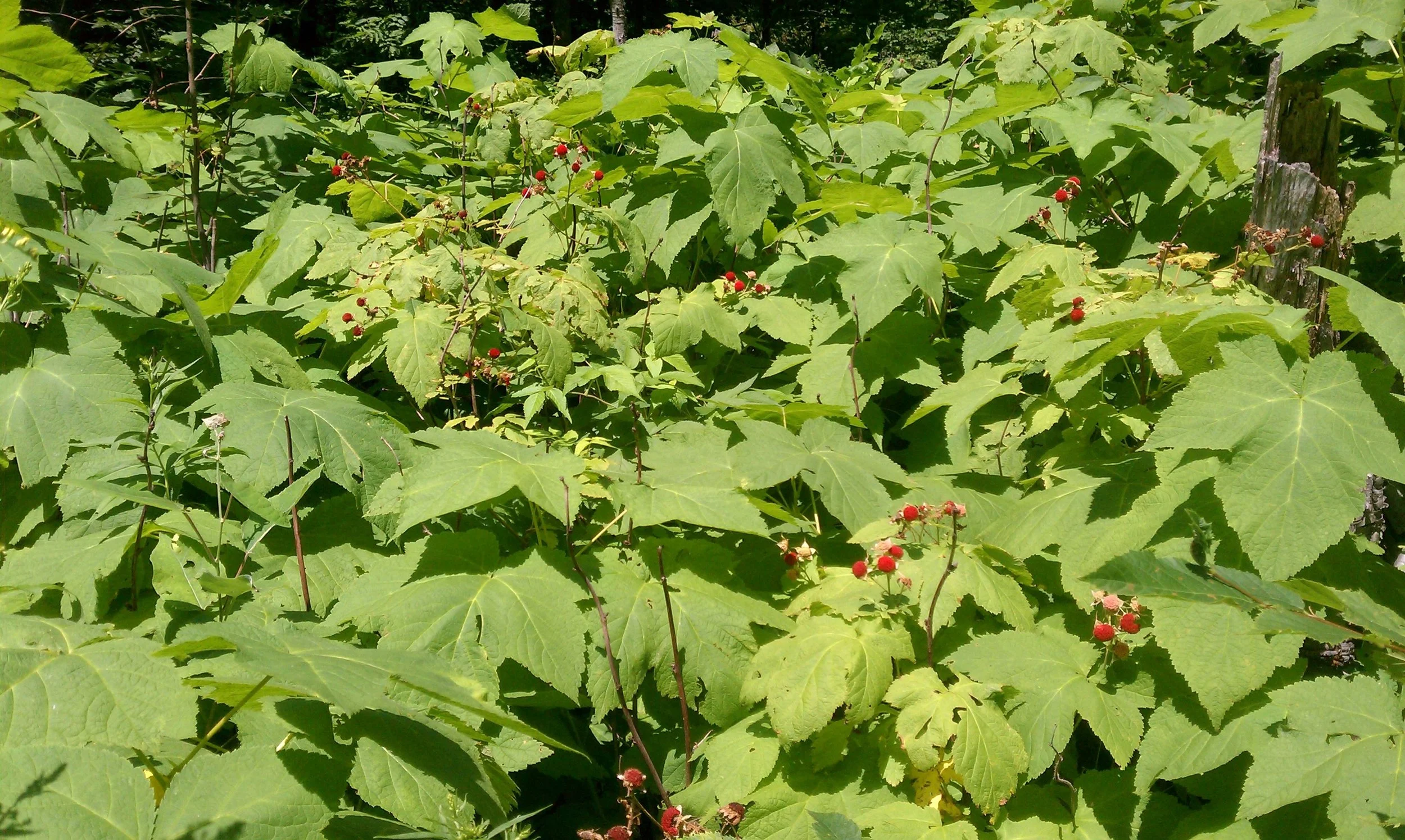
Wild raspberry, an important pioneer species still rampant in parts of North America… much work (and very scratchy) to forage a pint of these!
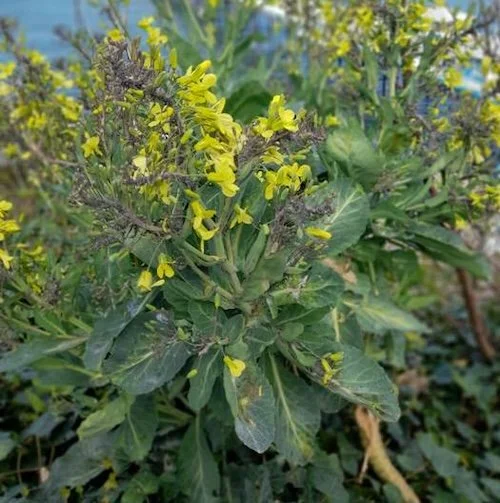
The predecessor of all the modern brassicas: cabbage, broccoli, brussels sprouts, kale…
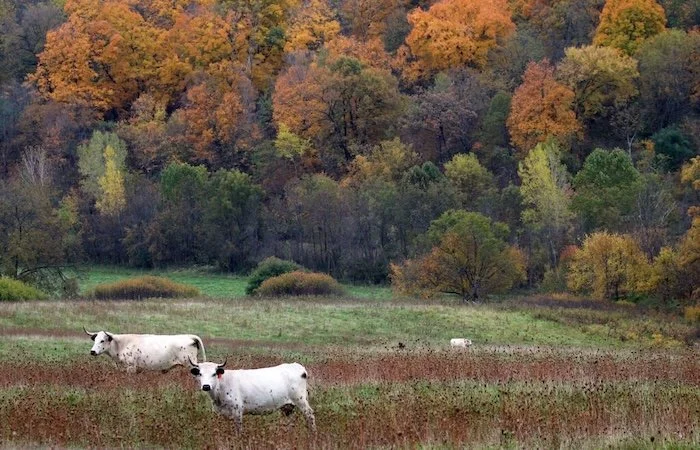
Ancient cattle, still bred and pastured honorably in Britain.
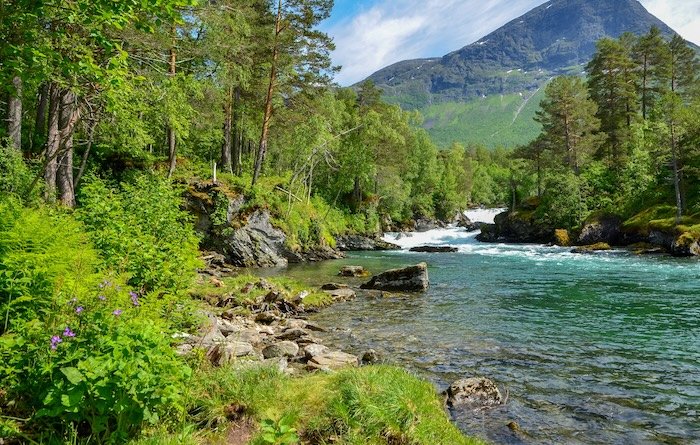
Trout habitat (trust me, they’re in there).
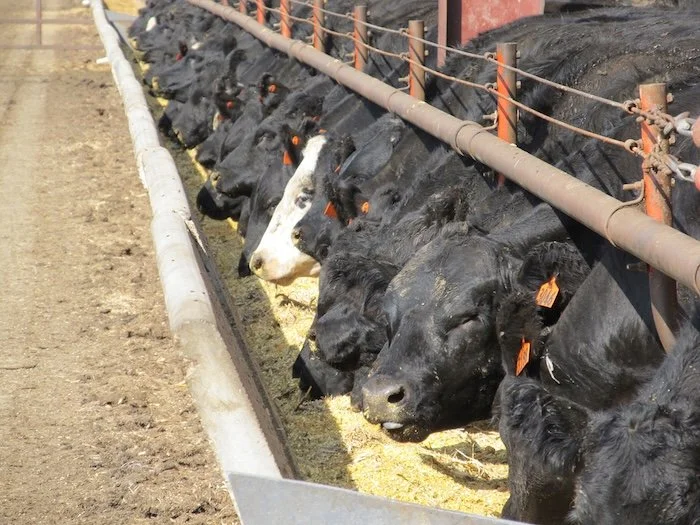
An American feedlot.

Modern fish farming.